The recent decision by the Supreme Court of the United States to overturn a key element of former President Donald Trump’s tariff policy has left businesses across Asia facing uncertainty. Exporters, manufacturers, and logistics firms are concerned about the changing trade environment and its impact on access to the US market.
Many companies had prepared long-term strategies to enter or expand in the United States, but shifting trade policies forced some to pause their plans. Business leaders say unpredictability in tariffs makes pricing and investment decisions difficult.
Tariff Policy Changes Add Market Confusion
The US tariff framework was originally designed to reduce dependence on foreign manufacturing and encourage local production. However, Asian businesses argue that frequent policy adjustments may strengthen the manufacturing dominance of China rather than weaken it.
Companies that rely on global supply chains face challenges in forecasting costs. Without clarity on import duties, businesses struggle to determine final product prices, which affects competitiveness and profitability.
Operational Challenges for Exporters and Manufacturers
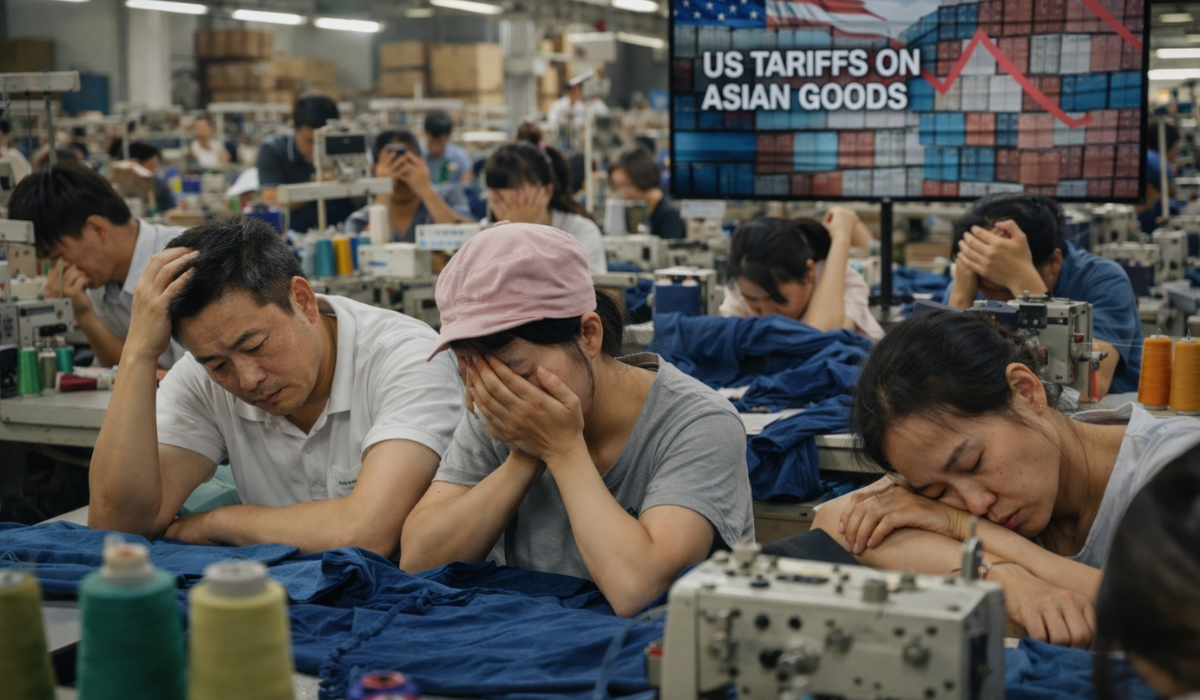
Manufacturers in Asia report rising costs and contract cancellations due to tariff uncertainty. Some clients renegotiated orders or delayed shipments as they waited for clearer trade guidelines.
Business leaders emphasize that they can adapt to known cost increases, but constantly changing rules make long-term planning difficult. As a result, several companies are diversifying markets and exploring opportunities beyond the United States.
Logistics providers also report increased complexity in operations. Firms must navigate evolving regulations while ensuring compliance with international trade rules. Although some tariff refunds may be possible, procedures remain unclear.
China’s Manufacturing Strength Remains Significant
Despite global trade shifts, China continues to play a central role in manufacturing and supply chains. Businesses note that it remains difficult to eliminate reliance on Chinese production due to scale, efficiency, and competitive pricing.
Some Asian exporters see opportunities in diversifying supply chains, but concerns persist that lower tariffs could strengthen China’s global position. Companies reliant on Chinese factories also report price increases as manufacturers adjust to reduced demand.
Global Trade Landscape Remains Uncertain
Future meetings between the United States and China could further influence tariff policies and trade relations. Businesses across Asia acknowledge that policy changes may continue, requiring flexibility in production and market strategies.
Experts suggest that companies must adapt to evolving conditions rather than wait for complete clarity. Diversification and operational efficiency are becoming key priorities as firms navigate an unpredictable trade environment.
The broader impact of shifting tariffs is expected to influence global markets, consumer prices, and business investment decisions in the coming years.